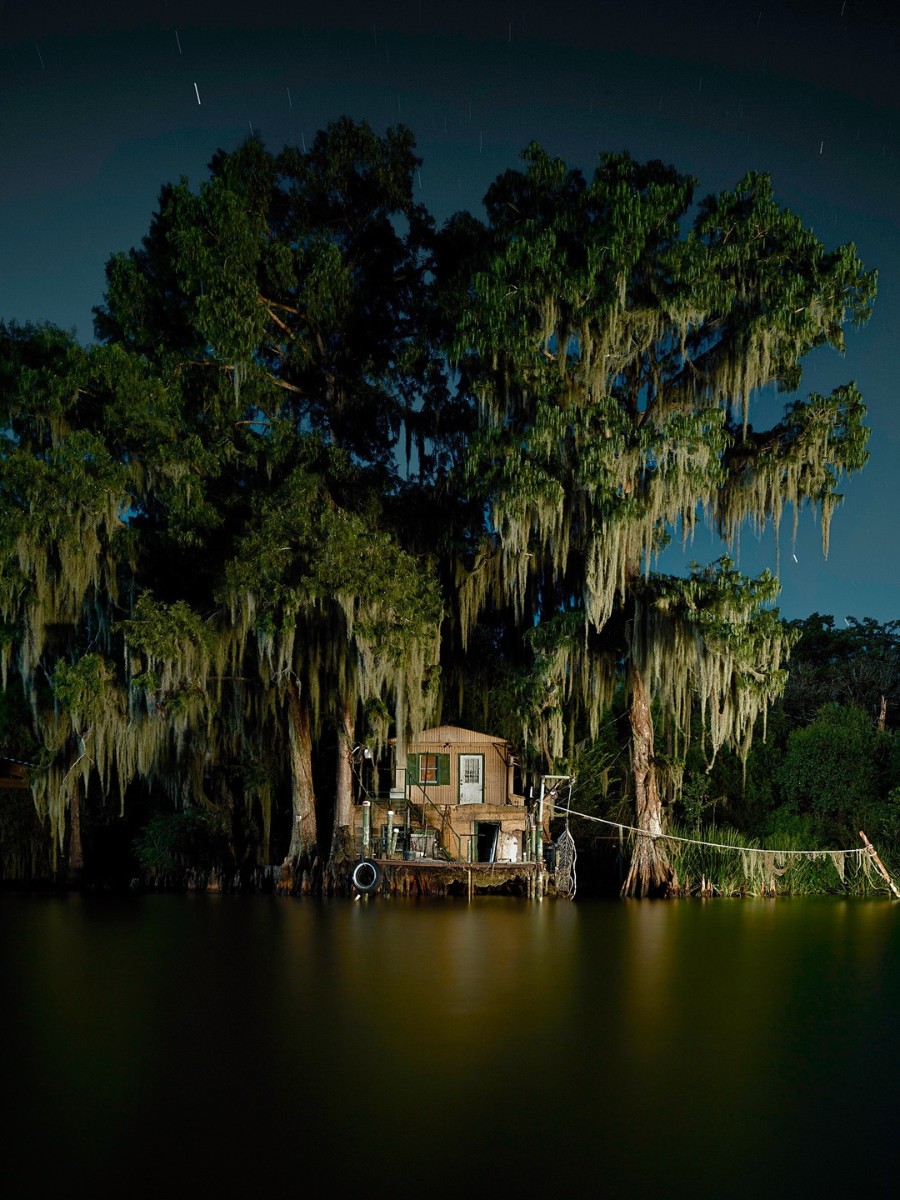
New Orleans is founded Frank Relle he is one of those rare photographers who braves the crowd to get the perfect shot. He has spent the better part of two decades traveling the world, literally, chest deep, and shining boat lights in the dark of night, just for those photo moments.
Frank’s work is based on the landscapes and waterways of Southern Louisiana. It bears the weight of one who knows these places. Often, you would find him in a boat in the middle of a Louisiana swamp, in the dead of night, waiting for the moon and clouds to interact before going up to take pictures that appear almost terrestrial.
His roots are in the South
Born in New Orleans, and raised in New Orleans, Frank grew up surrounded by waterways, which for many years shaped the rhythm of Louisiana life. The marshes, bayous, and back roads that shaped his youth define his creative and artistic sensibilities.
He grew up with a natural interest in the world around him. His appreciation for storytelling began early, with fishing trips, childhood drives on country dirt roads, and quiet evenings under a humid, starry sky. He describes looking out the window of his mother’s 1982 Mercury Grand Marquis as a child, and playing ‘I spy’ with his siblings as the state of Louisiana rolled by.
Frank studied writing and photography at Tulane University, where he earned degrees in Cognitive Science and Philosophy. Those subjects, at first glance, may seem far removed from photography. But when you look at them closely, one begins to understand the relationship.
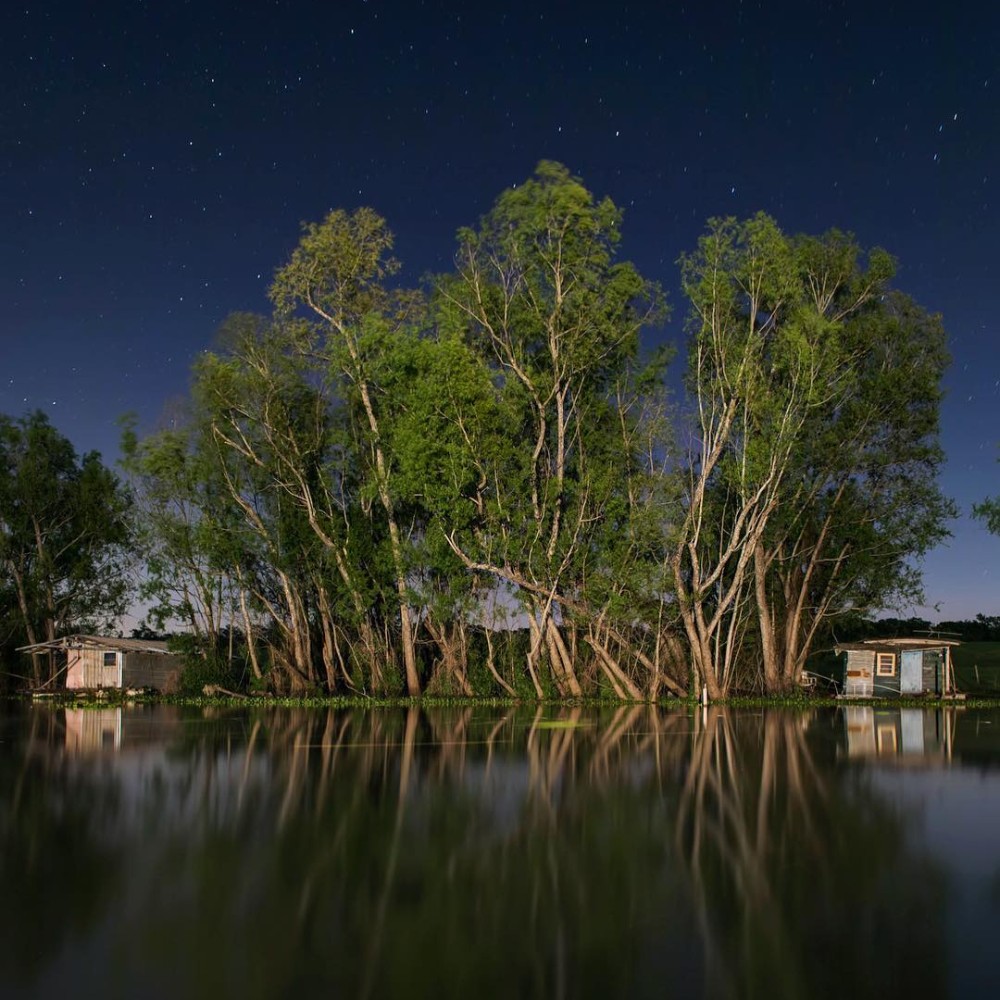
His photographs are philosophical in their curiosity about time, memory, and the relationship between humans and nature. They naturally speak to his creative eye, not taking Louisiana from the outside looking in, but capturing it from the inside, as one would describe a lover, with long knowledge, subtle details, and undying love.
Into the Swamp
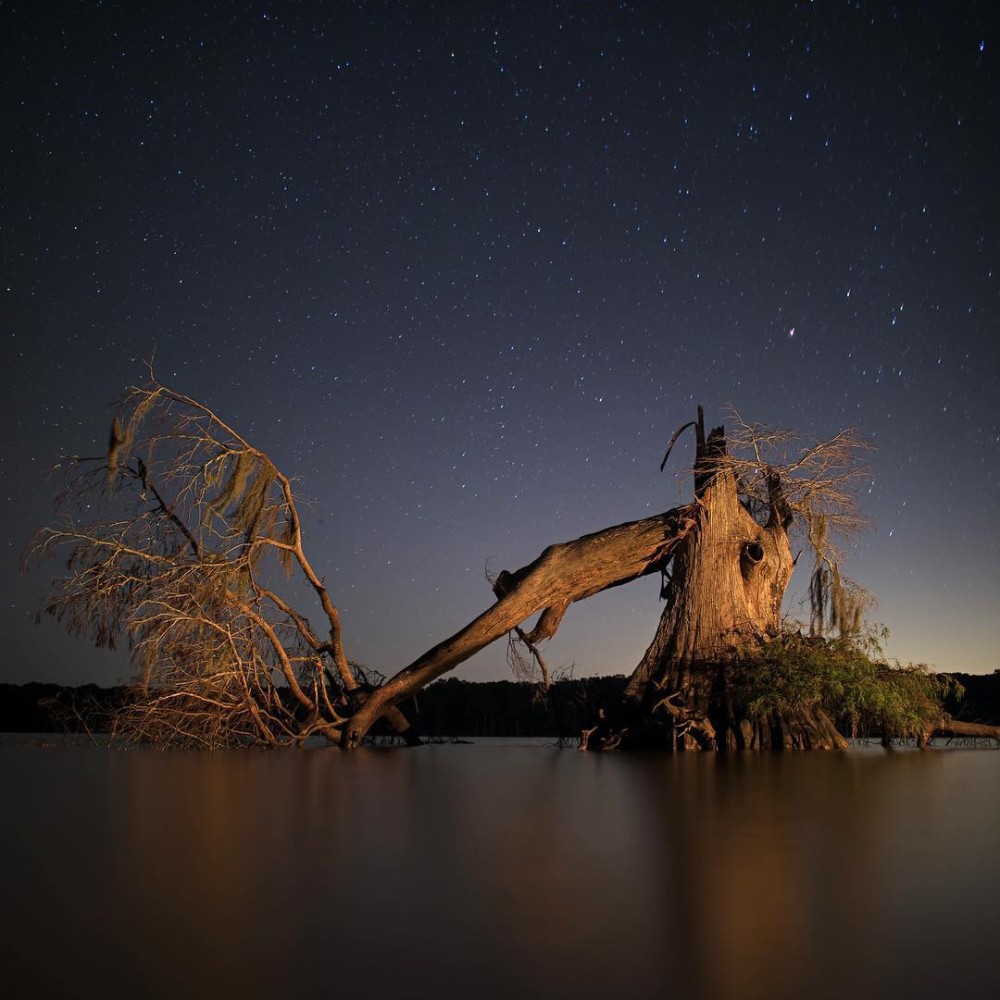
Perhaps Frank’s most striking work ‘Reaching the Water’, it has won lasting attention from photography and nature lovers. This series explores Louisiana’s oceans, lakes, and wetlands. The wetlands of Louisiana and the Atchafalaya Basin in particular are one of the most spectacular landscapes in North America.
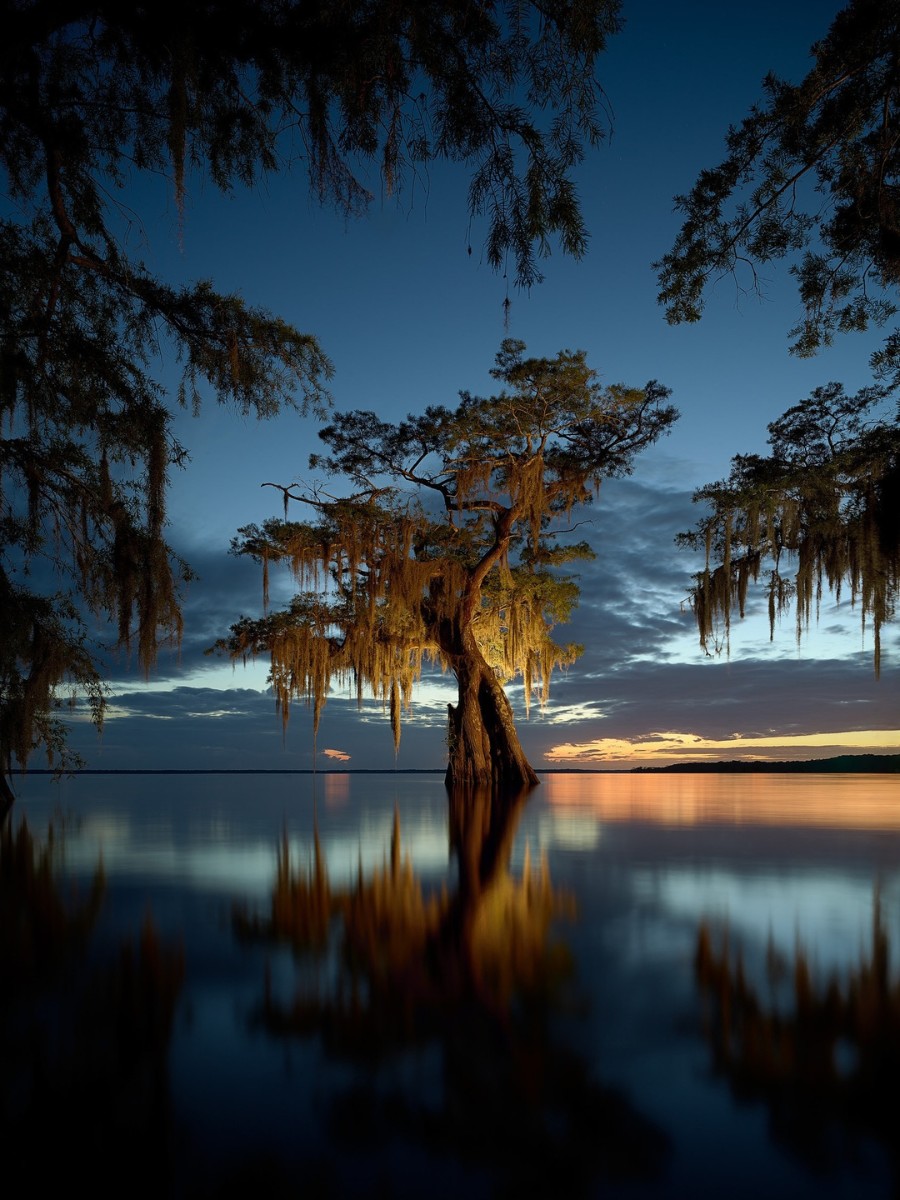
Old twin cypress trees, some hundreds of years old, emerge from the calm, dark waters with almost artificial gravity. Spanish moss drapes over tree branches like something out of an unremembered dream. The air itself has its own quality, warm, dense, and covered in the night sounds of nature.
Frank has spent six years exploring these marshes by boat to make photographs, following the phases of the moon and the times of high and low water to plan each trip, each year devoting between 40 and 60 nights to camping and photographing near the water in different places across the country.
Most active after dark, he lights up parts of the swamp that most people don’t see, for perfect shots. The trees are hung in a soft mist, the old wooden houses glisten as if they are still inhabited, and on the water are reflected the flowing streams of gold and blue of the night.
Frank:
“This series reminds viewers that the landscape is constantly changing, and that within those changes are moments of awe-inspiring and overwhelming beauty.”
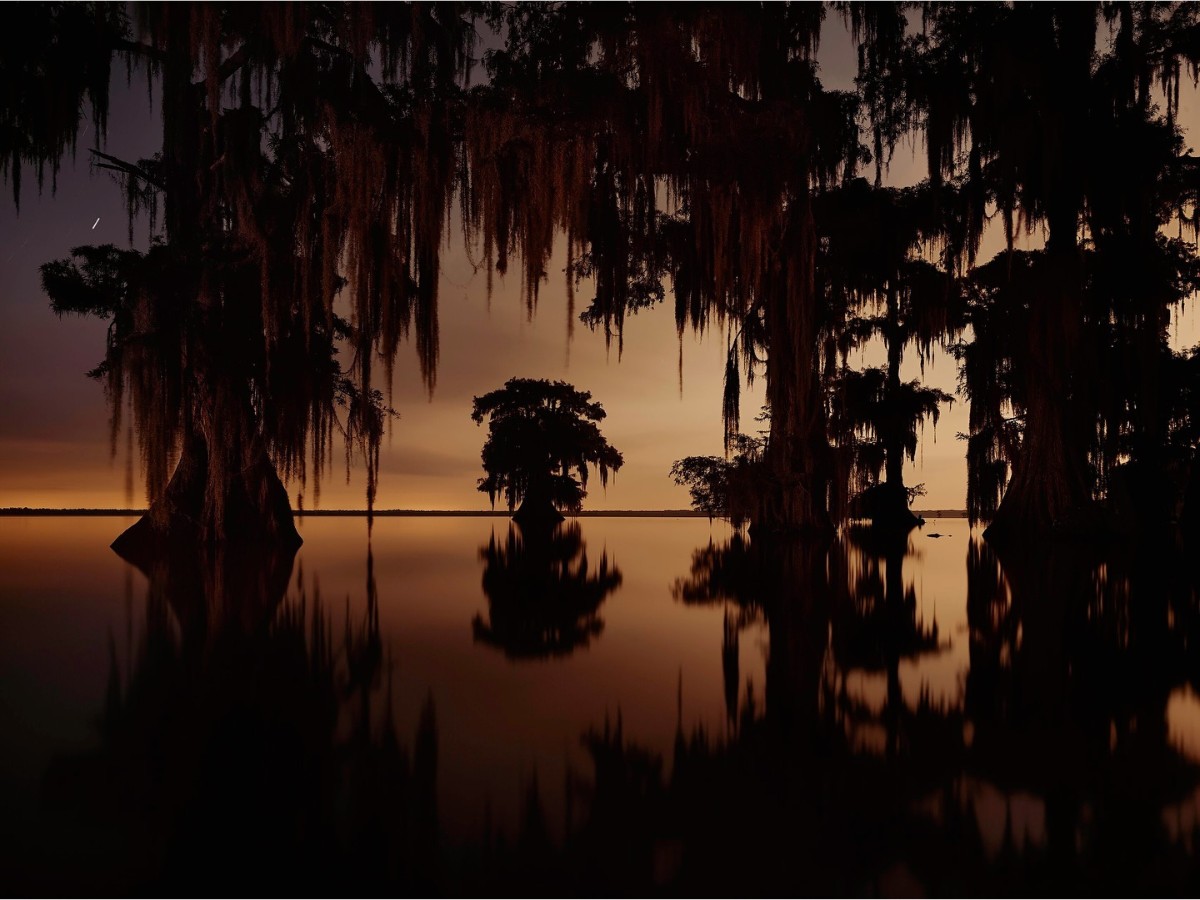
Frank’s paintings present Louisiana in a different way: not wild or shadowy, but with a calm order in the chaos of nature. Through his lens, even decay has beauty: a sunken ship, an abandoned house, or gnarly tree images rendered with detail and depth.
Method: Light, Water, and Long Exposure
Frank’s method of photography involves attaching a light fixture to his boat, then setting up the lights. He gets out of the boat and takes his photos from water level, his camera mounted on a custom-made tripod that can stand in up to 7.5 meters of water.
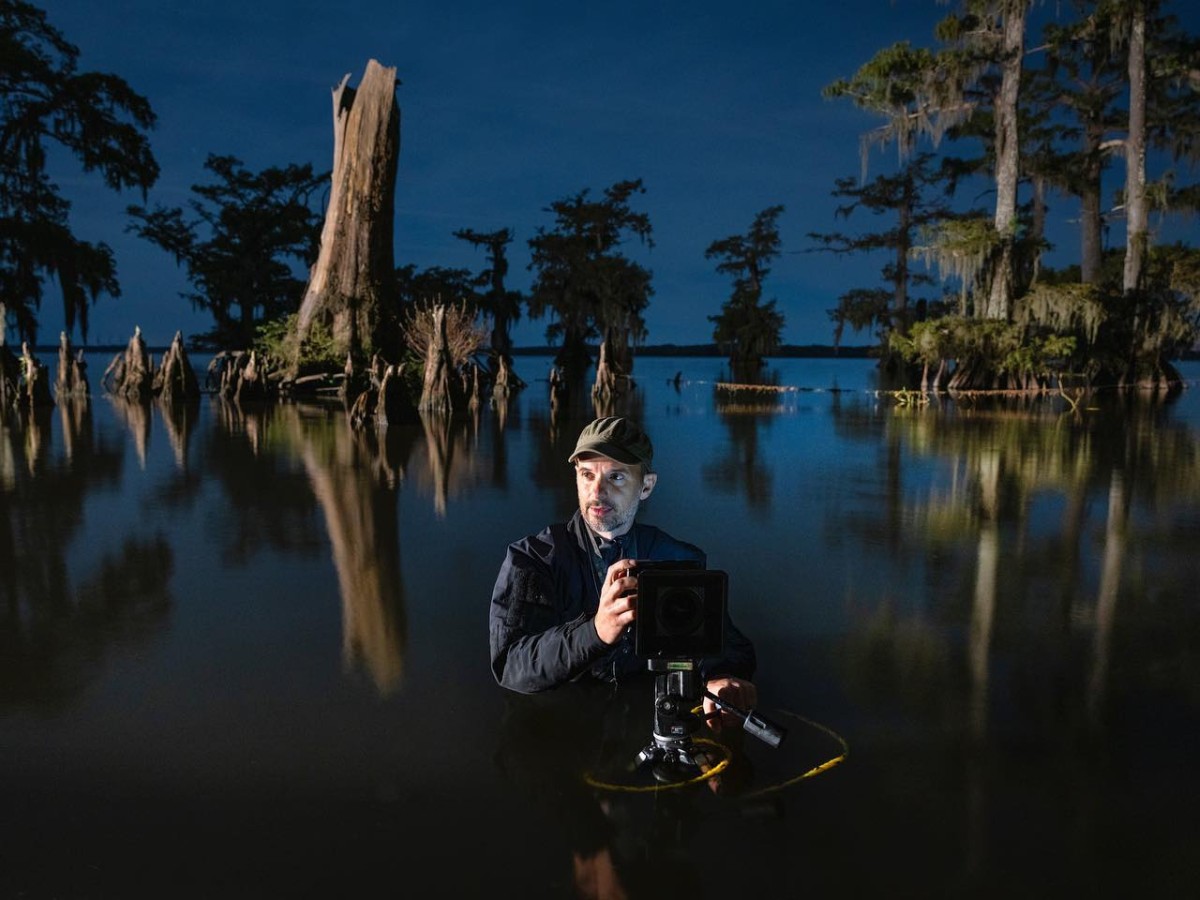
He uses long-exposure photography at night, combining his stage lighting with the available moonlight and stars, to create an almost impossible stillness, and to capture the space that frames: static shadows, slow-motion elements, swaying branches and wind waves on water.
Author Morgan Babst explained his approach well:
For Frank, one picture has a lot of time. The trees keep coming out of the forest. Houses reflect the life that was lived in them.
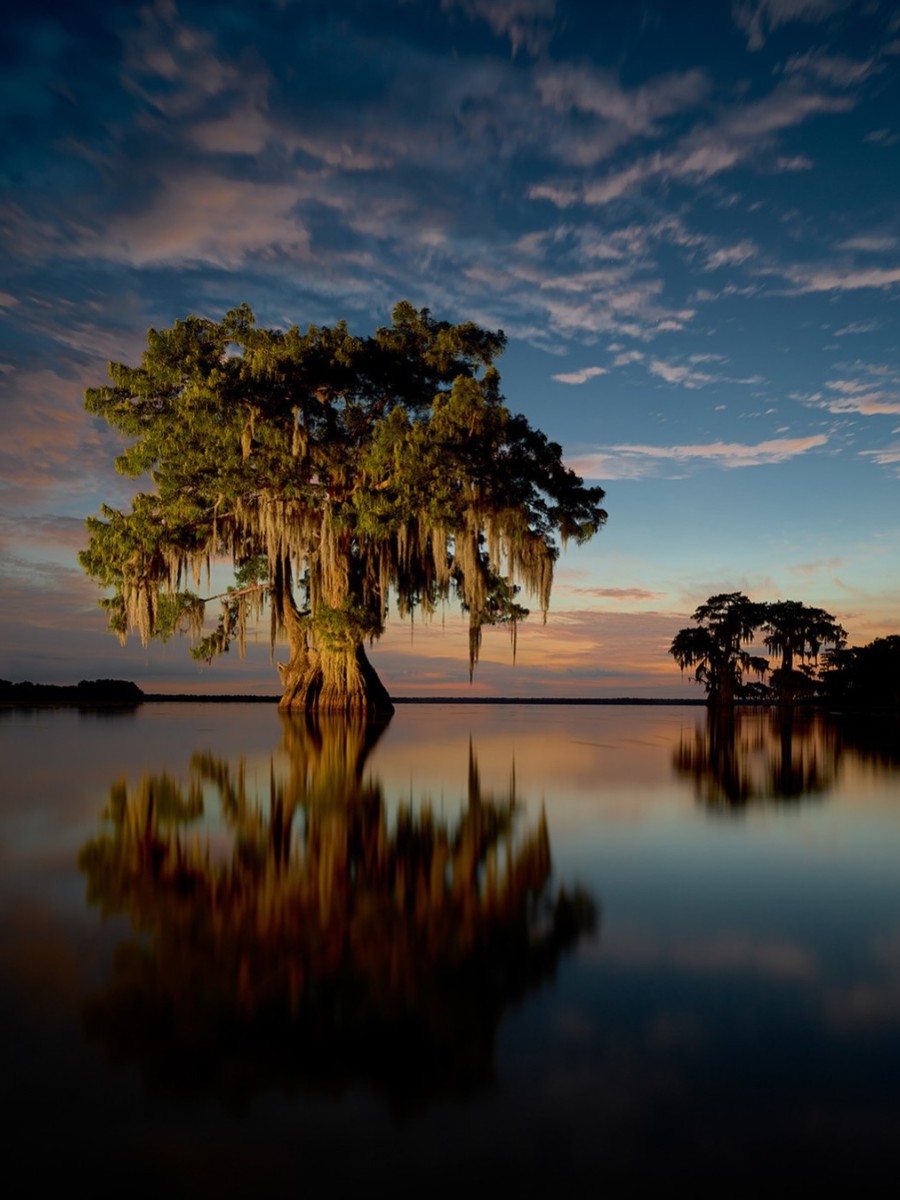
In fact, that depth in history is correct. The mountains of Louisiana are heavy with hundreds of years of indigenous records, French colonial times, Acadian settlers whose descendants became the Cajun people, and generations of fishermen and fishermen who lived near these waters. Frank’s photographs illuminate that history in a real way.
Beauty on the Edge of Loss
In a way, ‘Until the Water’ carries a subliminal message. The Louisiana coast is disappearing at a rate that is frightening scientists and breaking the hearts of those who love it. Soil loss, subsidence, and erosion caused by altered waterways have reshaped the area over the years. Frank’s series is about the idea that the landscape is constantly changing, and that within those changes are moments of haunting and transcendent beauty.
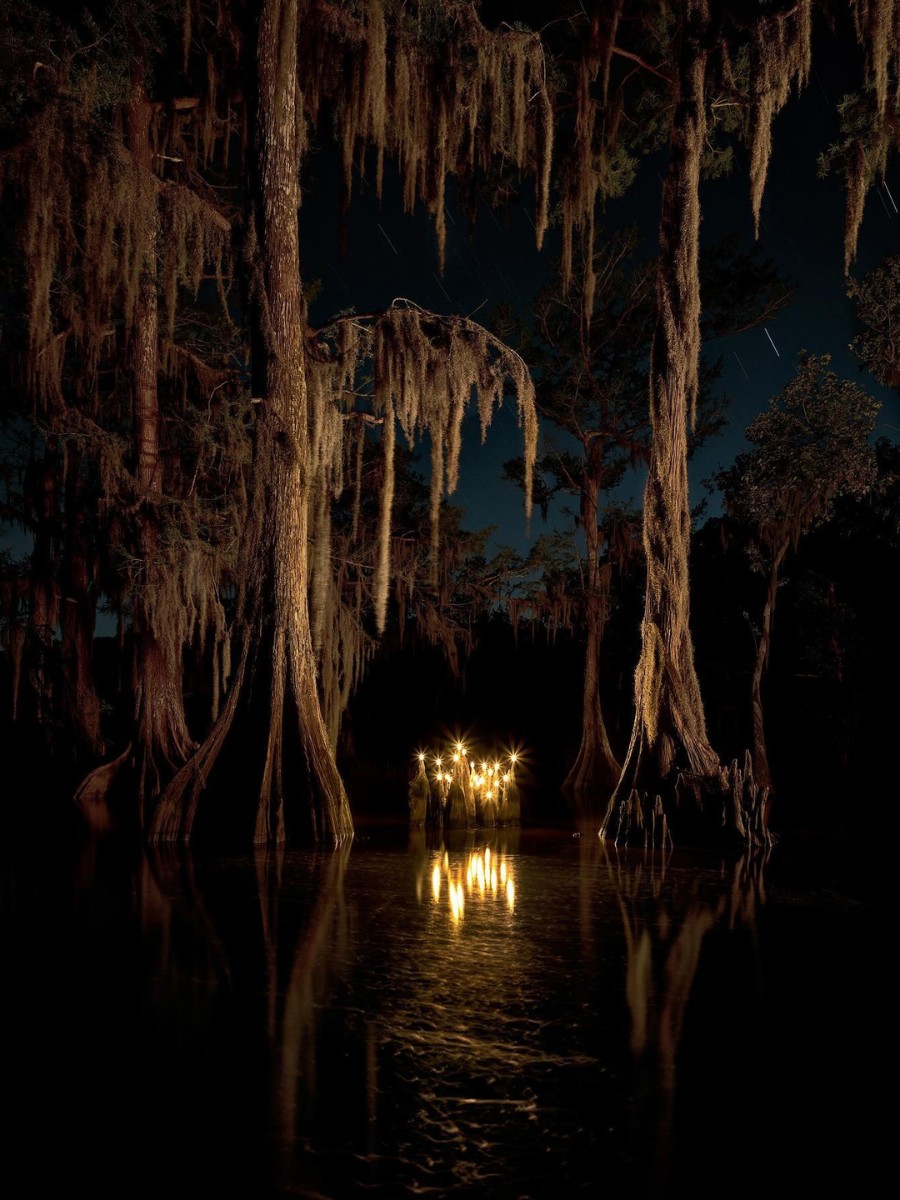
The temporary beauty of loss and natural recovery gives room for reflection. There is a sadness listed in these images, but there is also the same feeling and love of someone who knows a place deeply and to photograph it because photography is also to mark it.
Commitment Project
Recently, Frank took on what may be the single most ambitious project of his career: a 7.6-foot-wide, 5.2-foot-tall photograph of a centuries-old cypress tree, framed under the towering pillars of the Atchafalaya Basin Bridge. He worked with 12 colleagues, navigating air, water and rigging problems, and kept an eye on at least one curious white.
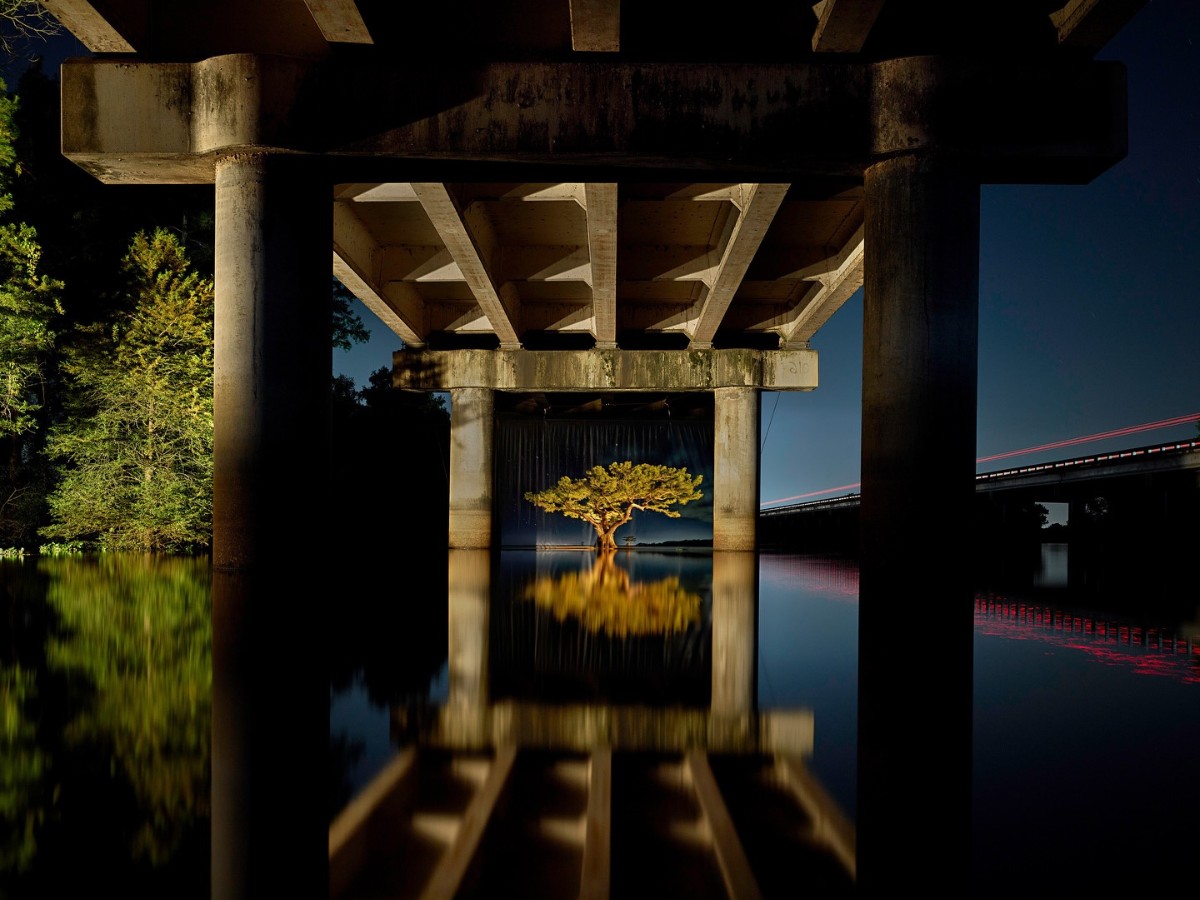
The project was created to mark the 20th anniversary of Hurricane Katrina, honoring the connection between Louisiana’s natural history and the engineering that allows its people to live near these waters. It’s the kind of photo that can only come from someone who has spent years understanding this form.
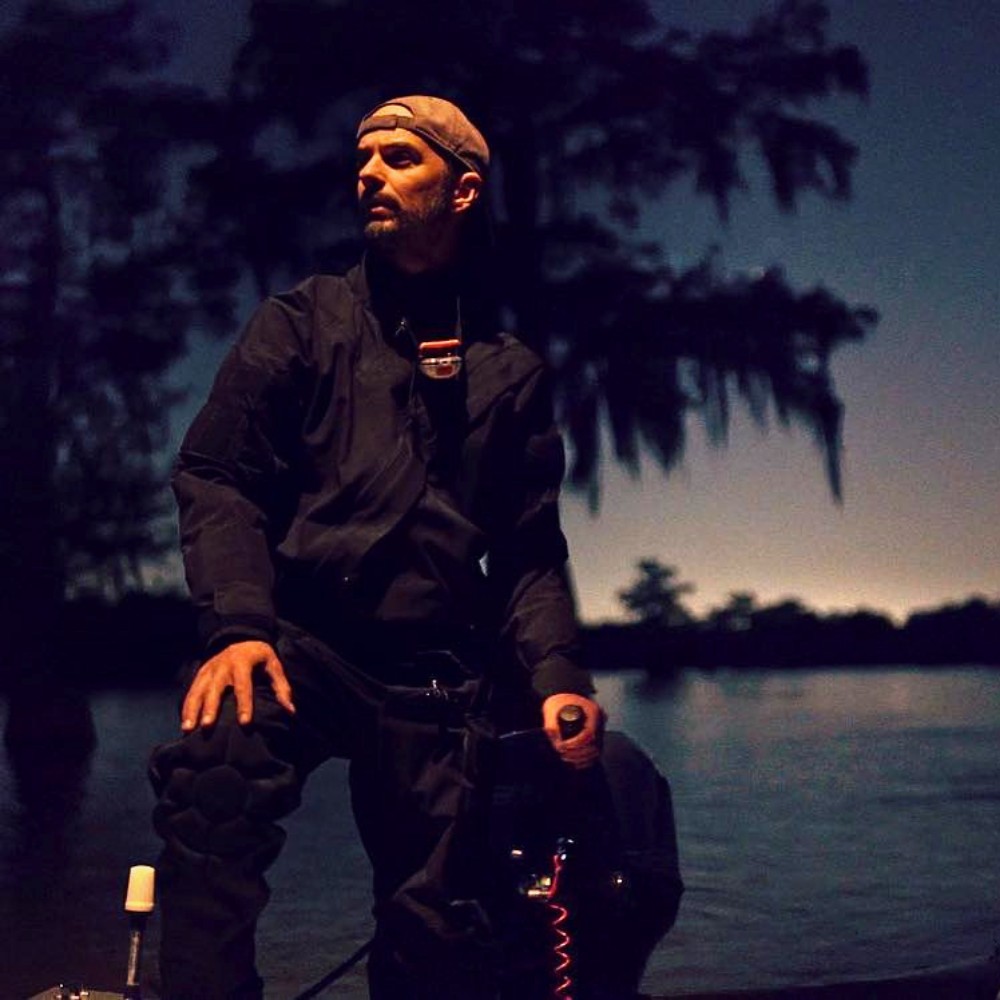
Frank’s gallery is located at 910 Royal Street in New Orleans, located in the historic Miltenberger mansion, formerly the home of the Princess of Monaco. It is a suitable address for a work that combines lyrical and historical. For those who can’t make it to the French Quarter, his full collection is available through his online gallery at frankrellegallery.com.
Photos by Frank Relle (@frankrelle).
#Frank #Relles #Enigmatic #Night #Photos #Louisiana #Swamplands