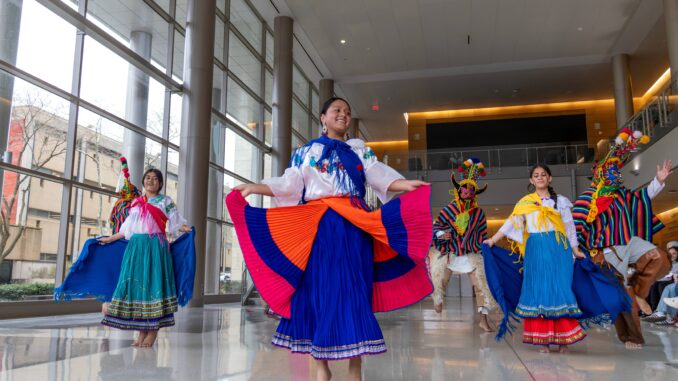

Karen Barba-Castro gracefully descended the steps of the Science Education Research Center on Friday afternoon, wearing a pink and purple pollera, lace blouse, bold flower earrings, patterned shawl and embroidered straw hat. In front of him, 25 models and actors displayed elements of Ecuador’s best culture.
Barba-Castro and his family are from Delegsol, a town in el Azuay, Ecuador, where traditional festivals often take place. When Barba-Castro was growing up, each school class represented different aspects of Ecuadorian culture and kept the tradition alive.
“What I’m doing now, it happens all the time in Ecuador.” It happens all the time. So, it will make me feel like I’m back in Ecuador again, but now older,” said Barba-Castro, an international business major.
About 130 people attended the Ecuadorian Fashion Show. Barba-Castro is a recipient of a You Are Welcome Here scholarship that allows him to represent his country at public events. With the help of the International Student Affairs office and her friend and marketing director, Alex Quach, Barba-Castro combined her love for fashion with Ecuador. She held an event to model traditional Ecuadorian fashion through food, performance and indigenous history.
Grace Zweitzig, senior media studies and production major, hosted the fashion show, announcing the cultural standards for each look and dance. The actors were organized by each region of Ecuador: la Costa, the coastal region of the country, la Sierra, the mountains and el Oriento in the Amazon.
The first scene included traditional clothing from el Oriento, honoring the Shuar people of the Amazon. Their culture reflects a deep connection with the rainforest and ancestral traditions.
One model wore a karachi draped over one shoulder with accessories made from natural beads, seeds and feathers. One wore an itip, a skirt-like garment made of plant fibers, and a feather crown. Feather crowns and body paint are worn during ceremonies, representing power, connection with sacred animals and cultural symbolism.
In an event that honors the traditions of the Shuar people, the spears reflect the importance of hunting and fishing. As they danced, their sounds, called chajchas, imitated the sounds of the rainforest. The women also carried small bowls used to make Chica, a popular Ecuadorian drink.
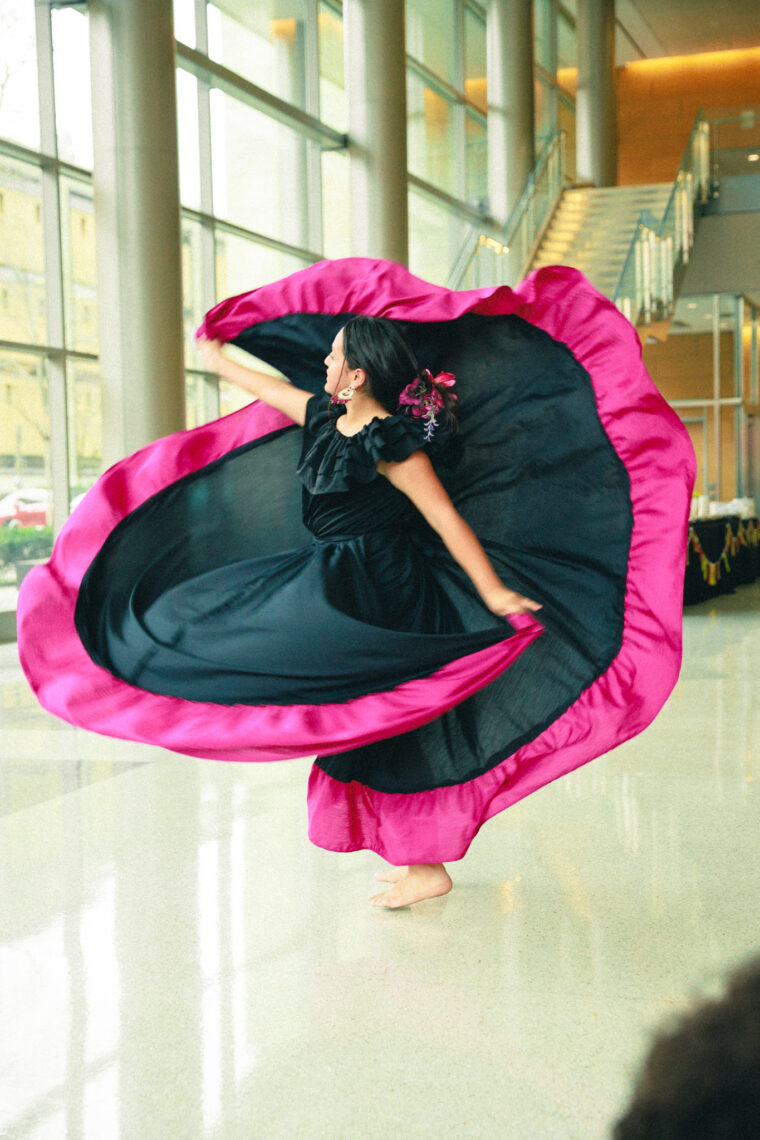
The next group of models represented La Costa and highlighted the Afro-Ecuador community with wide colorful women’s dresses, embroidered blouses and head shirts.
Zweitzig then presented a model wearing a pink dress with a beaded bodice and tulle silhouette that symbolized the quinceañera, an important upcoming event for many Latinas.
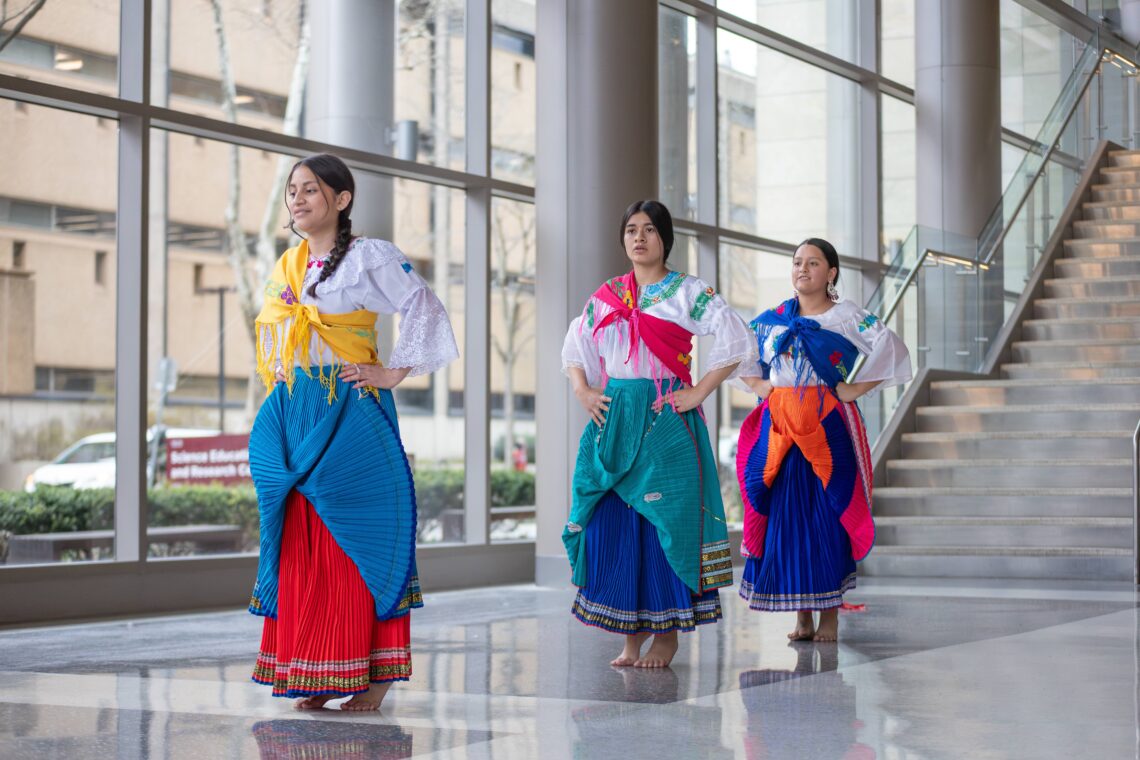
The region of La Sierra began with the community of Otavalo in the Andean culture. Models wore white linen kushmas representing Mother Earth, anacos, wrap dresses with colorful patterns, and walkas or necklaces honoring the sun god, Inti.
Ben Martinez, a second-year political science student, modeled a poncho, guagua chumbi, a woven belt, and alpargatas, similar to sandals, to represent Otavalo culture.
“I really don’t see much [representation] on campus. I think any representation of the Latino community is good, it’s appreciated, it should be appreciated.” Martinez said: “I think seeing an Ecuadorian fashion show in general is a rare thing.
Behind the costumes, the show featured a mask representing El Diablo Huma, known as Aya Huma in its original Sekichwa language, which translates as “Spirit Head” or “Spirit of the Leader.”
The two-faced mask symbolizes both: day and night, sun and moon, good and bad. The ears and nose of the mask often form symbolic shapes related to the four cardinal directions and the four elements representing harmony between humans, nature and the universe.
Barba-Castro chose a look that paid particular respect to her grandmother, the cholitas dress. The model wore a pollera, an embroidered blouse and a chalina, intended for daily use to protect against the cold or to carry things. The model also wore her hair in traditional braids with ribbons and a paja toquilla on top of her hair.
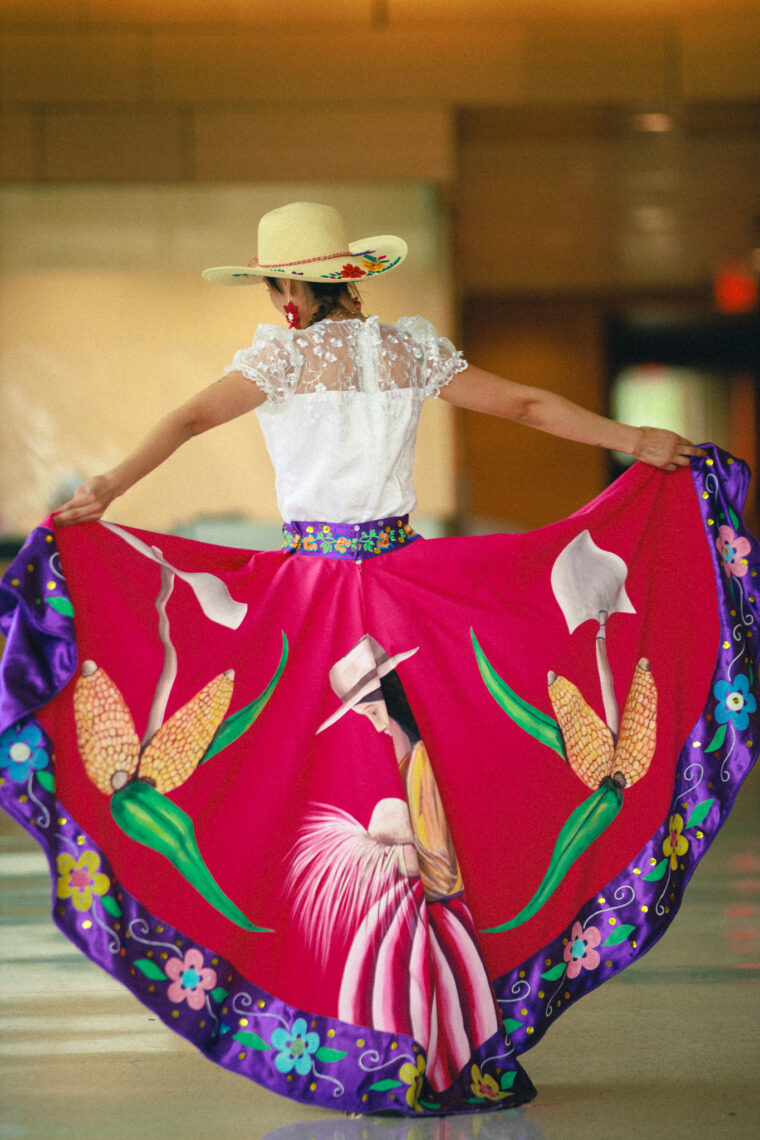
For a final look, Barba-Castro donned a purple and pink pollera that once belonged to her aunt, Norely Castro. Castro appeared in his hometown of Reinado, a regional pageant similar to a beauty pageant, where he won Queen. Pollera had an Ecuadorian woman’s hand painted on the back of a paja toquilla woven gate, reflecting Barba-Castro’s agricultural heritage.
Jael Amaya, a young political science major who also modeled, highlighted why he believes events like this are necessary.
“Especially in fashion, I don’t think there’s a lot of space for Hispanics,” Amaya said. “We have Willy Chavarria, a very big Spanish brand. He is already attracting attention, but I feel there will be more.”
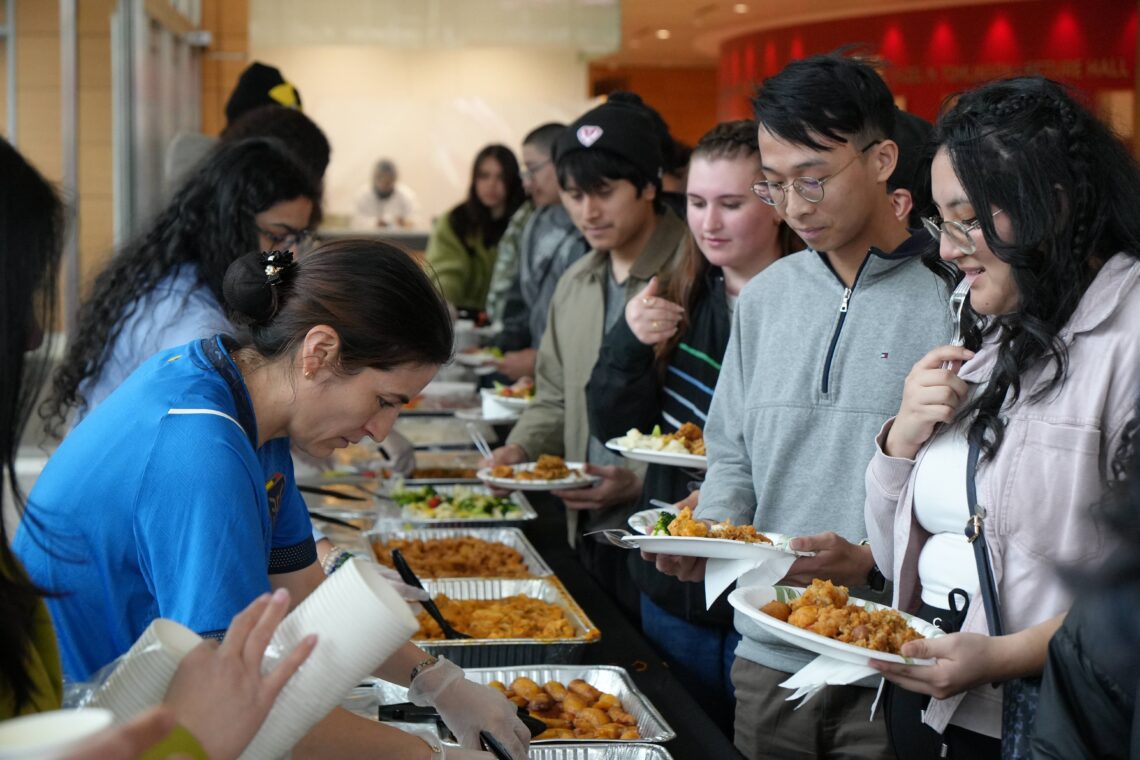
The afternoon ended with a meal from El Rinconcito, an Ecuadorian restaurant in Northeast Philadelphia. All attendees were able to participate in a raffle featuring Ecuadorian jewelry, bags, and stained glass. The boys are kicking a football, while family and friends are eating and chatting.
#Ecuadors #temple #exhibition #celebrates #community #history